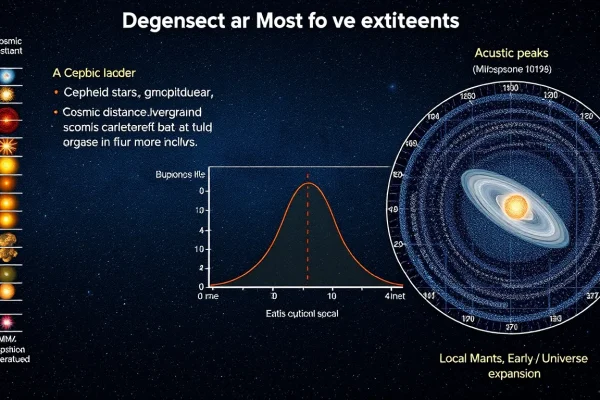
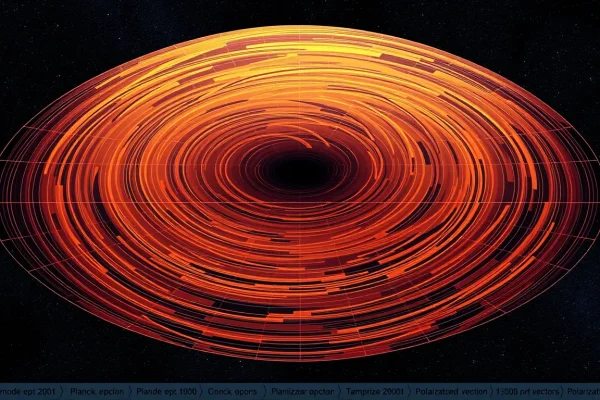
How Do Astronomers Measure the Hubble Constant? From Cepheids to the Cosmic Microwave Background

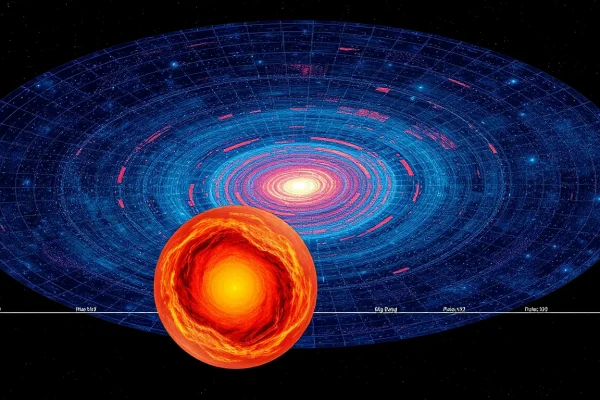
The Hubble constant (H₀) quantifies the expansion rate of the universe. Astronomers measure it using two independent approaches: the local distance ladder (Cepheid variables and Type Ia supernovae) and early-universe probes (cosmic microwave background and baryon acoustic oscillations). The discrepancy between these values, known as the Hubble tension, is one of the most pressing problems in modern cosmology.

Read More →

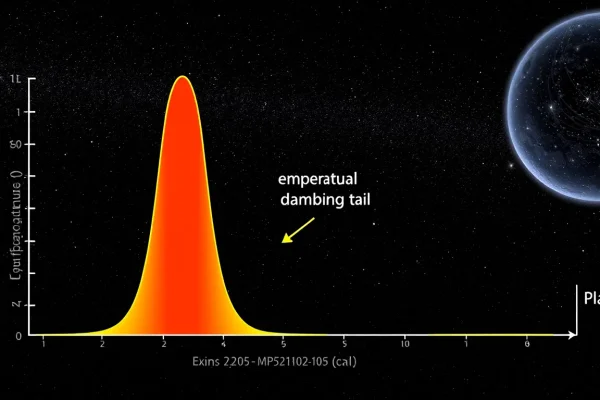
How Does the CMB Confirm Cosmic Inflation?

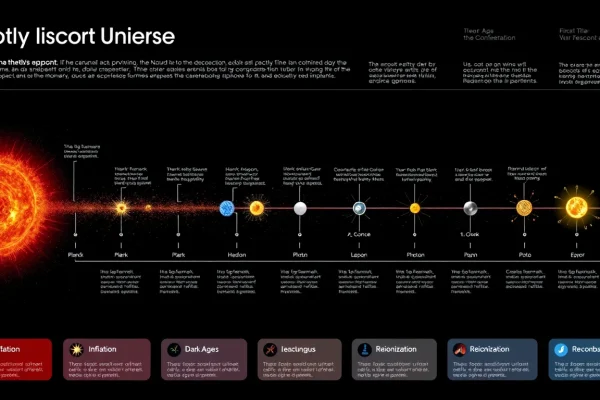
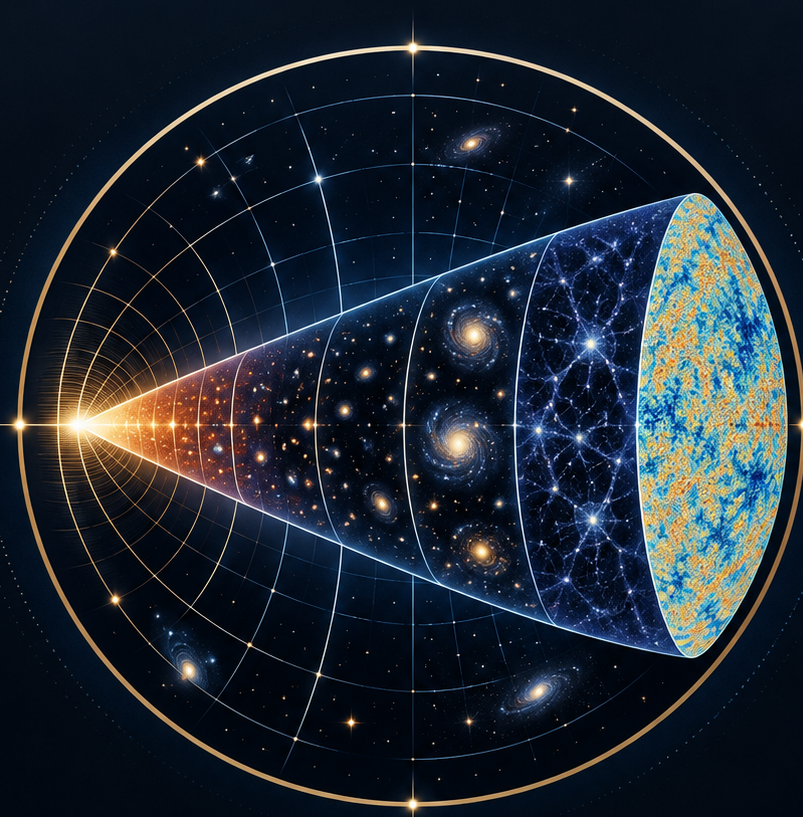
The cosmic microwave background (CMB) is the oldest light in the universe, a relic of the Big Bang. Its near-perfect blackbody spectrum and tiny temperature fluctuations provide powerful evidence for cosmic inflation, the theory that the universe expanded exponentially in the first fraction of a second. This article explains how CMB observations confirm inflation and traces the cosmic epochs from the Planck era to structure formation.

Read More →

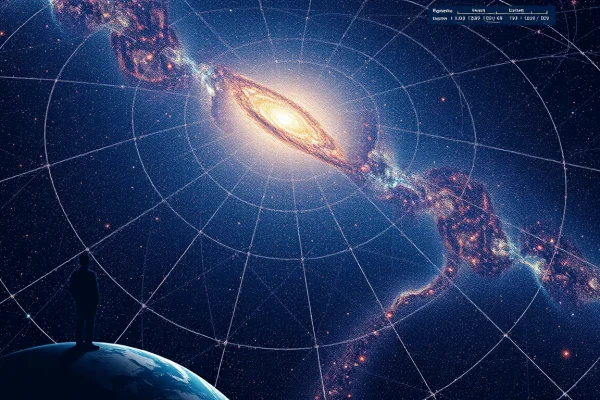
What Is the Cosmic Web?

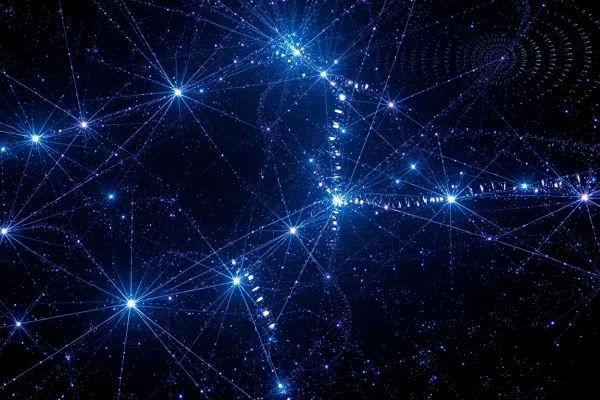
The cosmic web is the largest known pattern in the universe—a vast network of filaments, sheets, and voids made of dark matter, gas, and galaxies. This article traces its origin from the Big Bang through cosmic inflation, recombination, and structure formation, and explains how missions like Planck and JWST have mapped its evolution.

Read More →